

ZN Shipping Container Farm Solutions

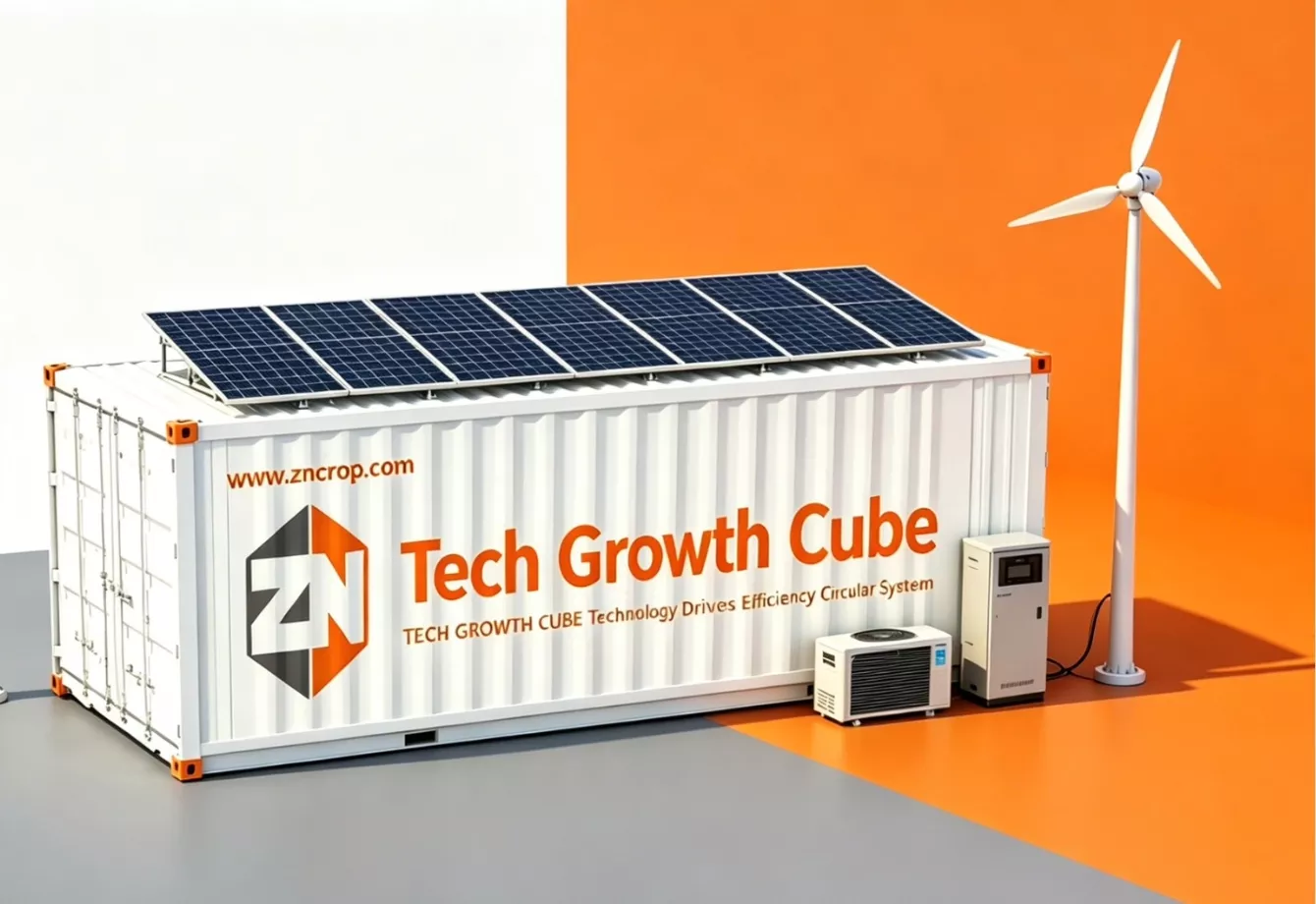
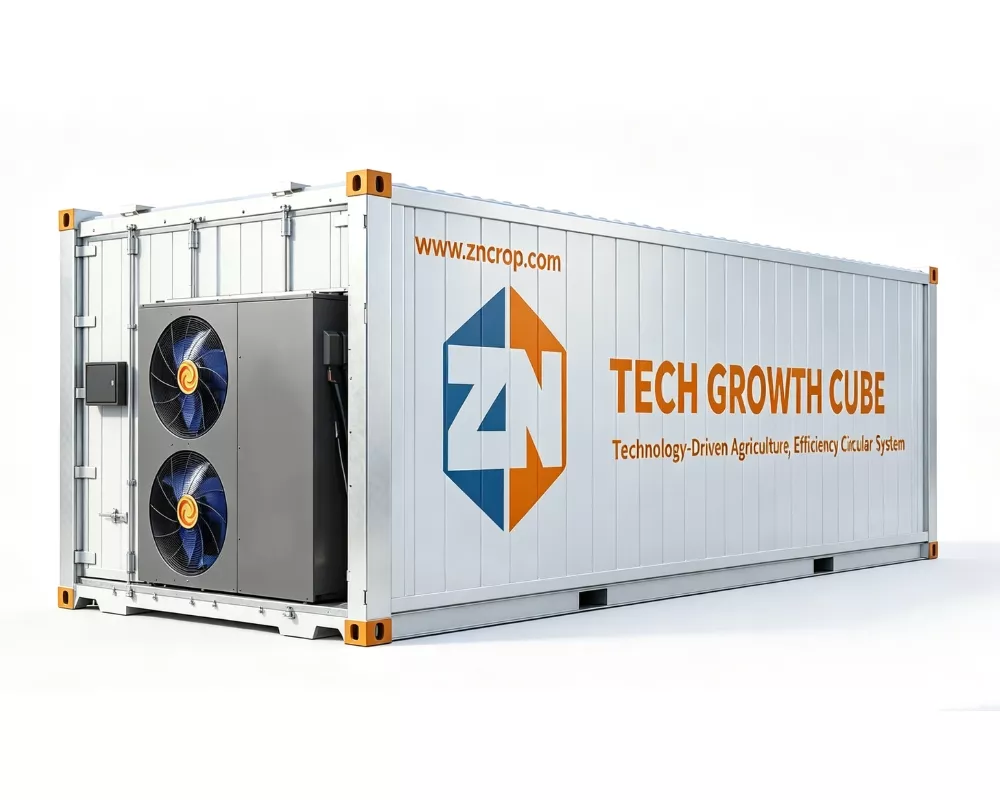
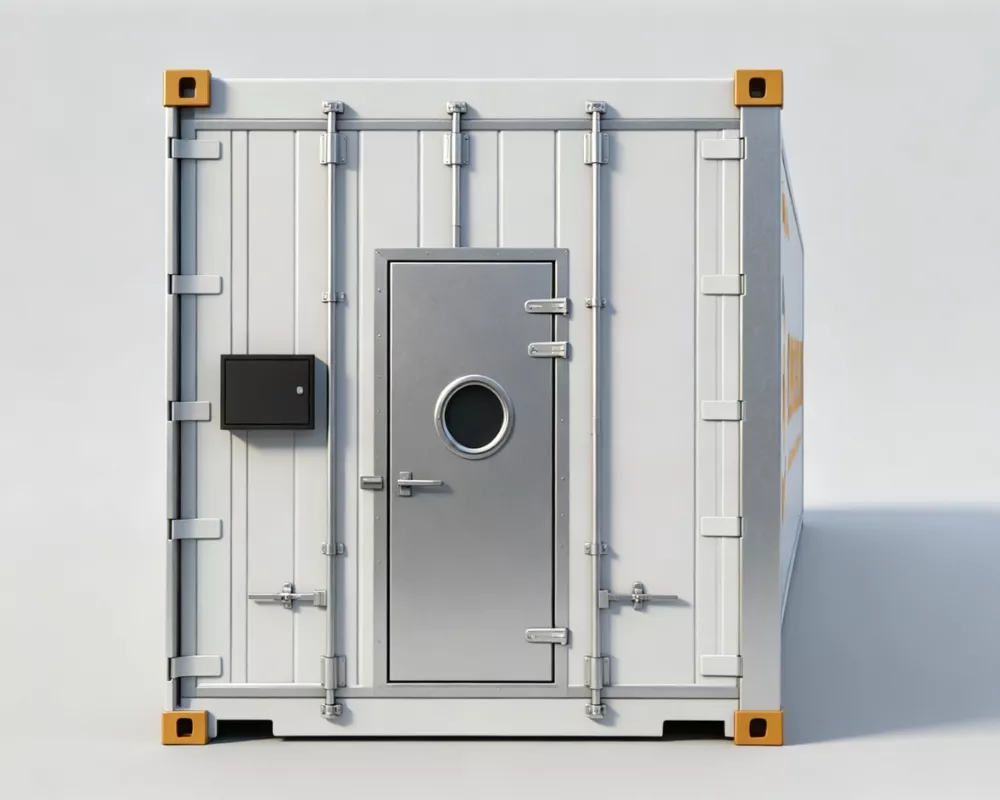
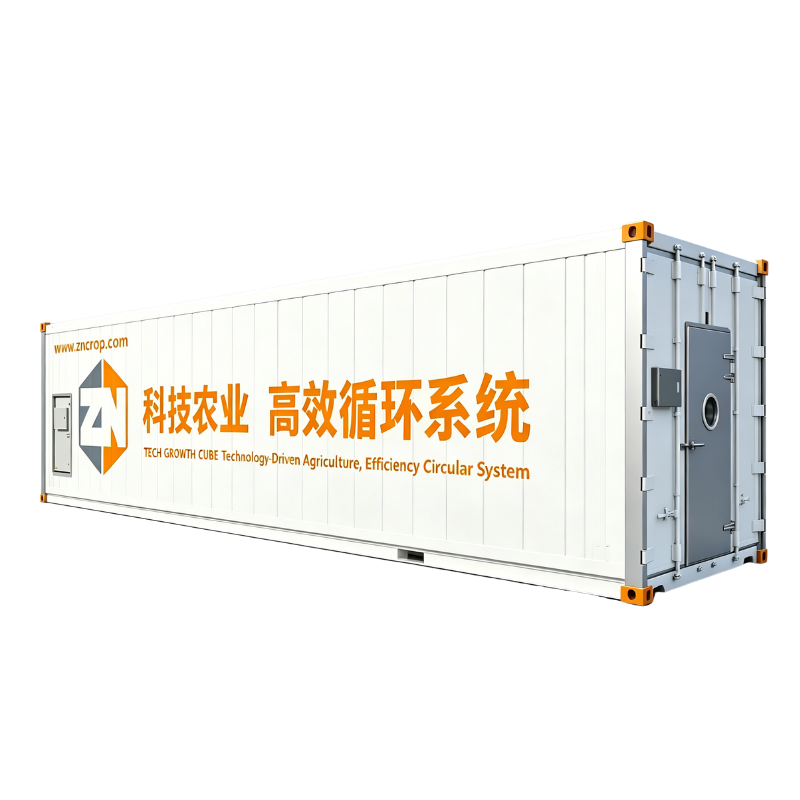
ZN Shipping Container Farm Systems is standard 20ft and 40ft shipping containers with turnkey climate-controlled vertical hydroponic farms.

It’s for commercial indoor agriculture, our systems support year-round production of leafy greens, herbs, microgreens, mushrooms, and fodder with up to 95% less water and reliable commercial yields in climates ranging from -30°C to 50°C.

✅ Turnkey hydroponic shipping container farm
✅ 2–6 tons annual yield per container
✅ Suitable for desert farming, urban farming & remote food production

Commercial Shipping Container Farms for Sale

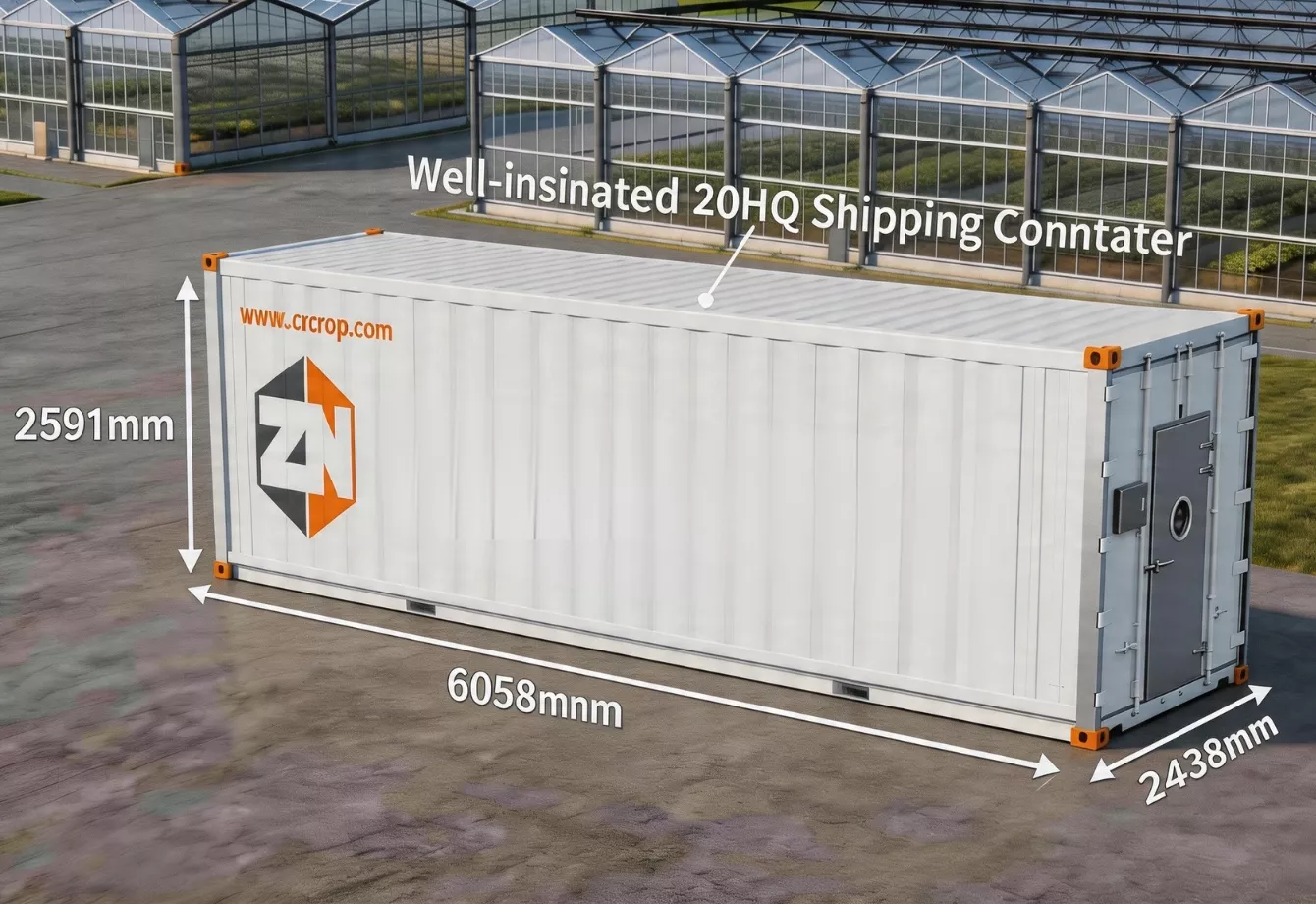
20ft Shipping Container Farm

Compact, cost-effective hydroponic shipping container for small-scale hydroponic growing. Easy to manage, simple to run, ideal for beginners, urban rooftops, backyards, education, or concept trials.

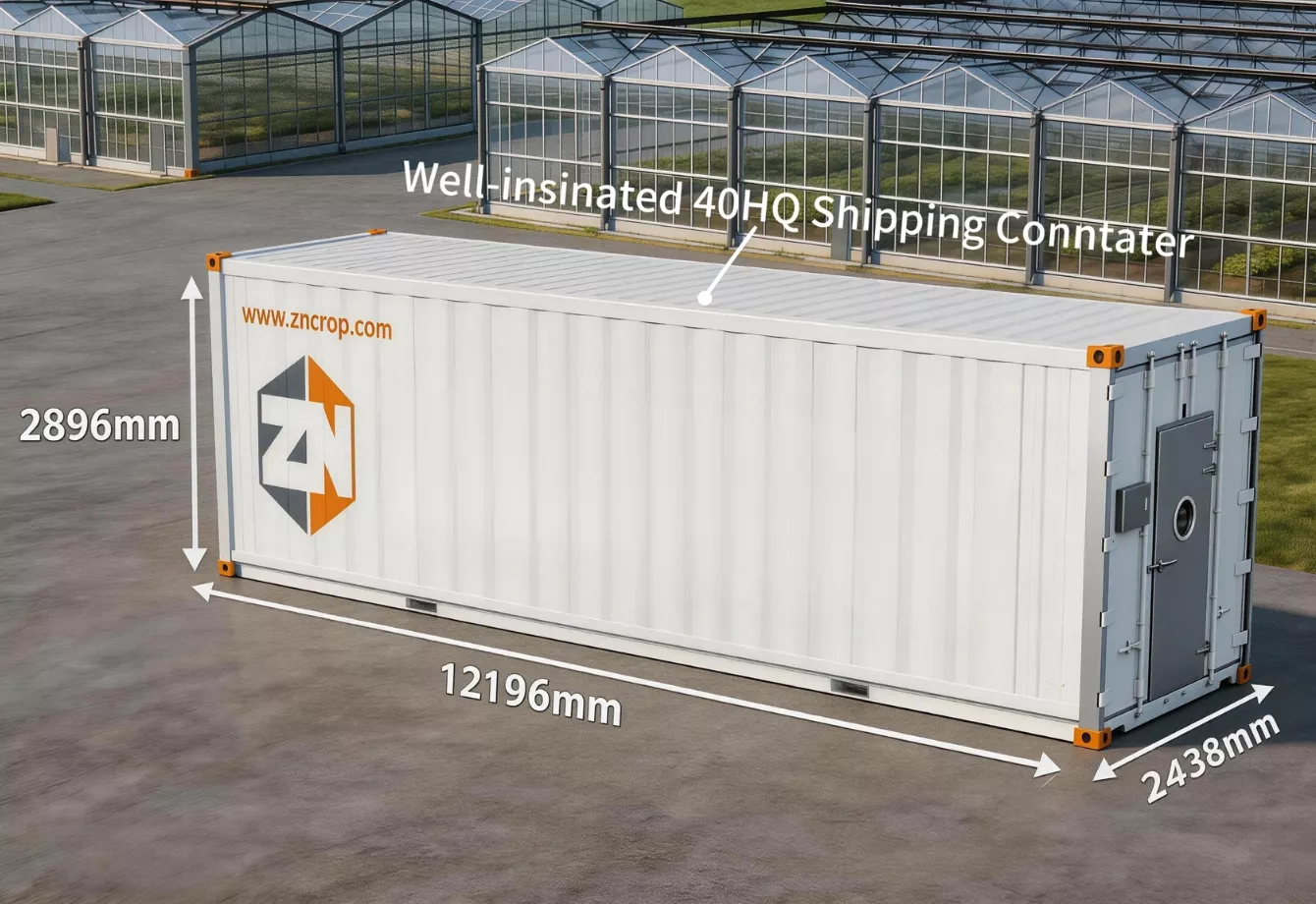
40ft Shipping Container Farm

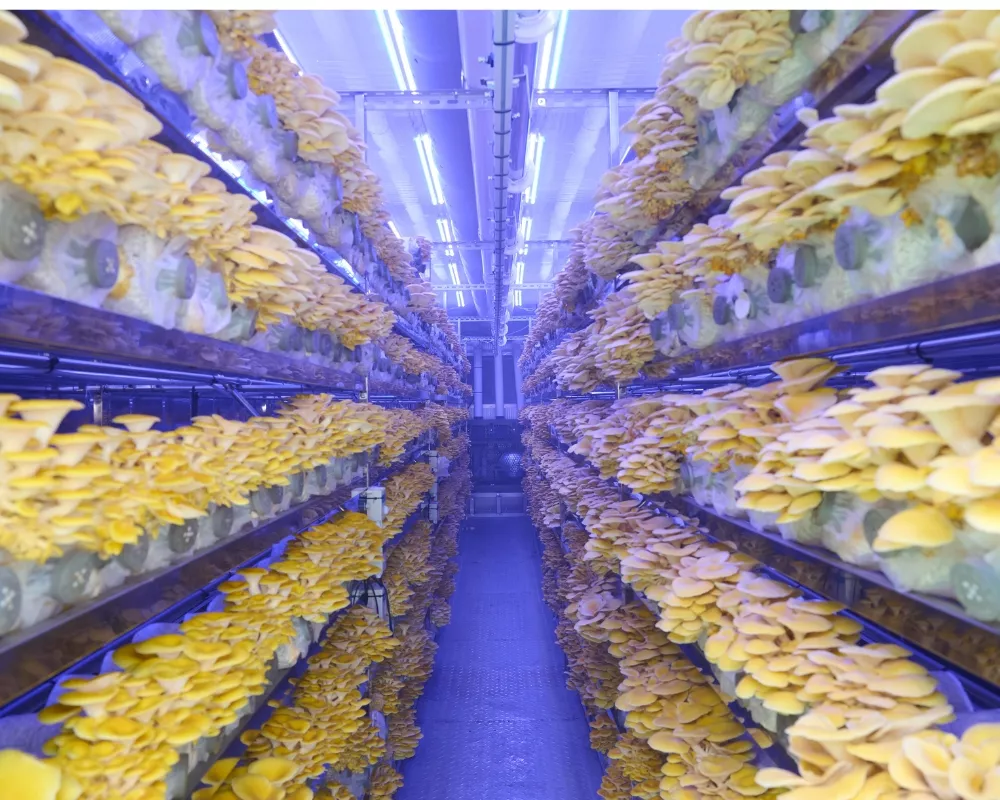
The most popular container farm system. Higher capacity, better yield, Ideal for commerical mushroom, microgreen, and fodder operations.

What Is a Shipping Container Farm?

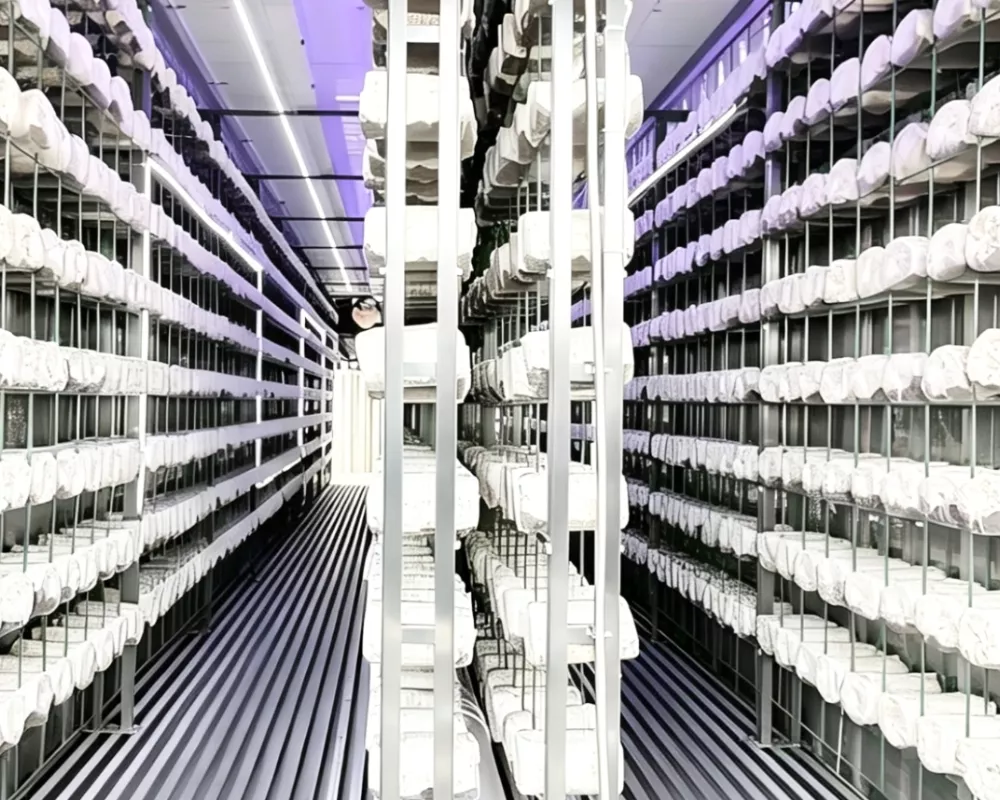
ZN Shipping container farm is a complete growing system built inside a standard 20ft or 40ft steel shipping container. It combines hydroponic technology, LED lighting, and automated climate control to grow fresh crops year-round — no soil, no weather dependency, no geographic limits.

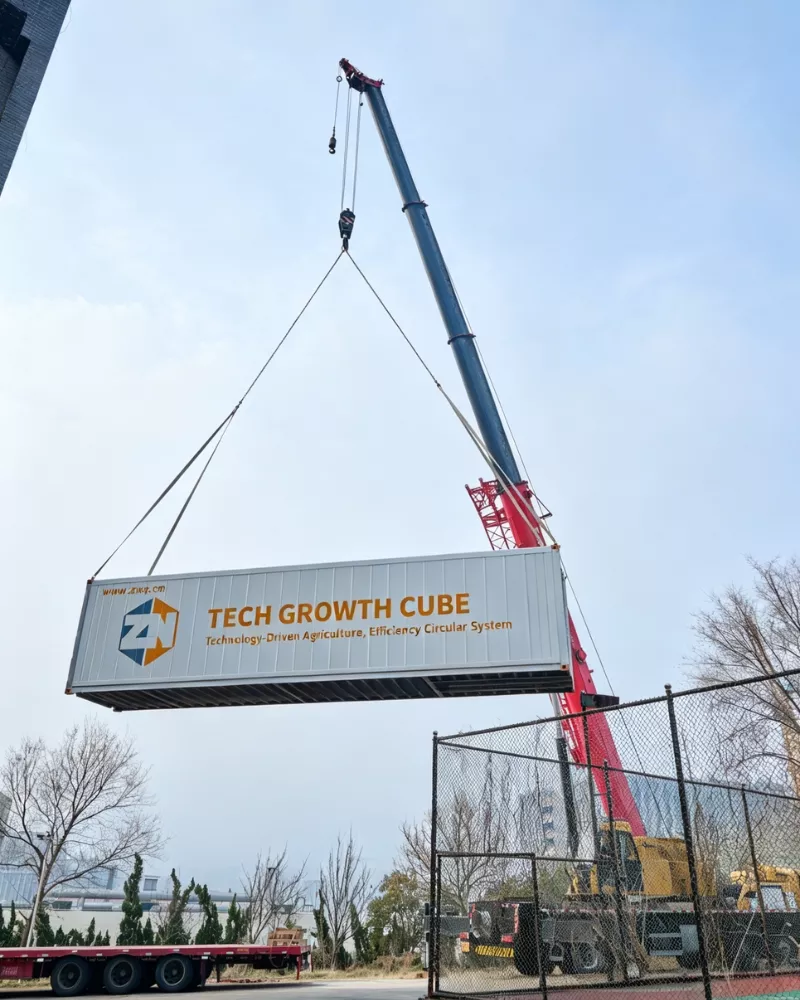
Start with one unit, add more as your operation grows. Each unit ships ready to deploy, installs in under 5 days, and is built to last 15+ years.

How Container Farming Works
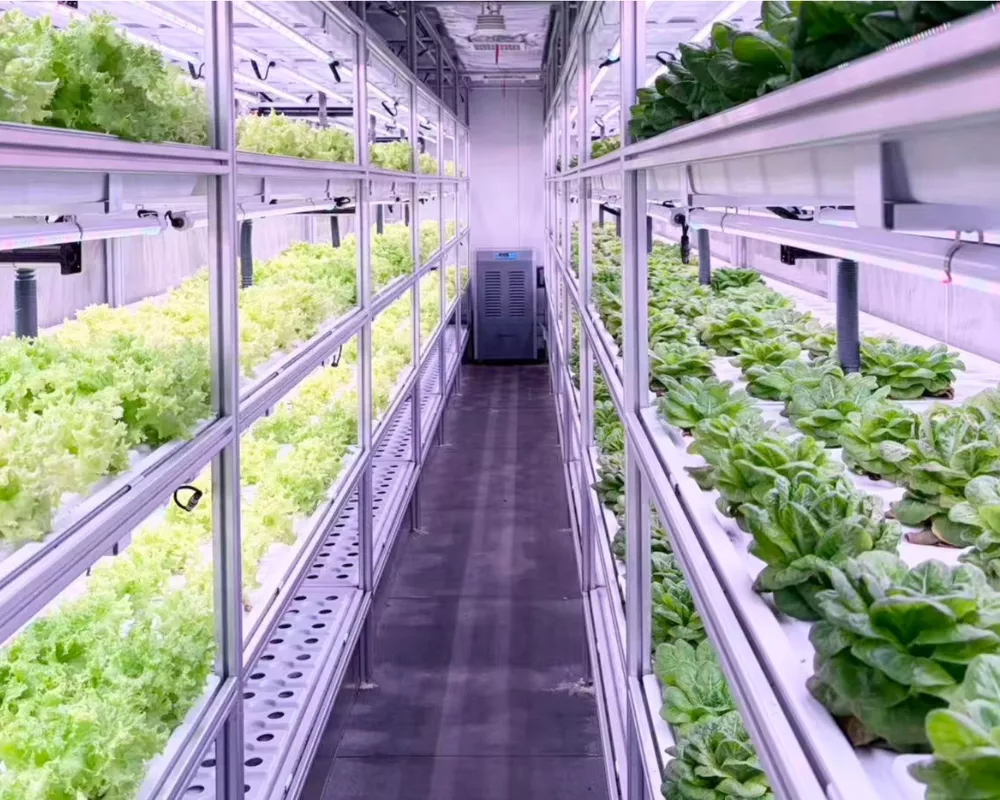
The container acts as a sealed, climate-controlled environment. Plants grow in hydroponic systems. Full-spectrum LED lights replace sunlight. Sensors monitor temperature, humidity, CO₂, and nutrient levels around the clock, keeping conditions optimal at every growth stage.

The result is a predictable, repeatable growing cycle that doesn’t depend on seasons, weather, or local soil conditions.

Benefits of Container Farming
Grow anywhere such as urban rooftops, remote regions, arid climates, cold zones
Harvest year-round with consistent yields
Use up to 95% less water than conventional farming
No pesticides needed in a sealed growing environment
Faster crop cycles compared to field farming
Low labor requirements with automated monitoring and control

Why Choose Hydroponic Container Farms
Soil-based farming ties you to location and season. Hydroponics removes both constraints. Plants grown in water-based nutrient systems absorb what they need directly, which means faster growth, higher yields per square foot, and cleaner produce.

Inside a container farm, every variable is controlled — which means fewer crop failures, less waste, and more predictable output. For commercial growers, that consistency translates directly to reliable supply and better margins.

What Can Be Grown in a Container Farm

Mushrooms

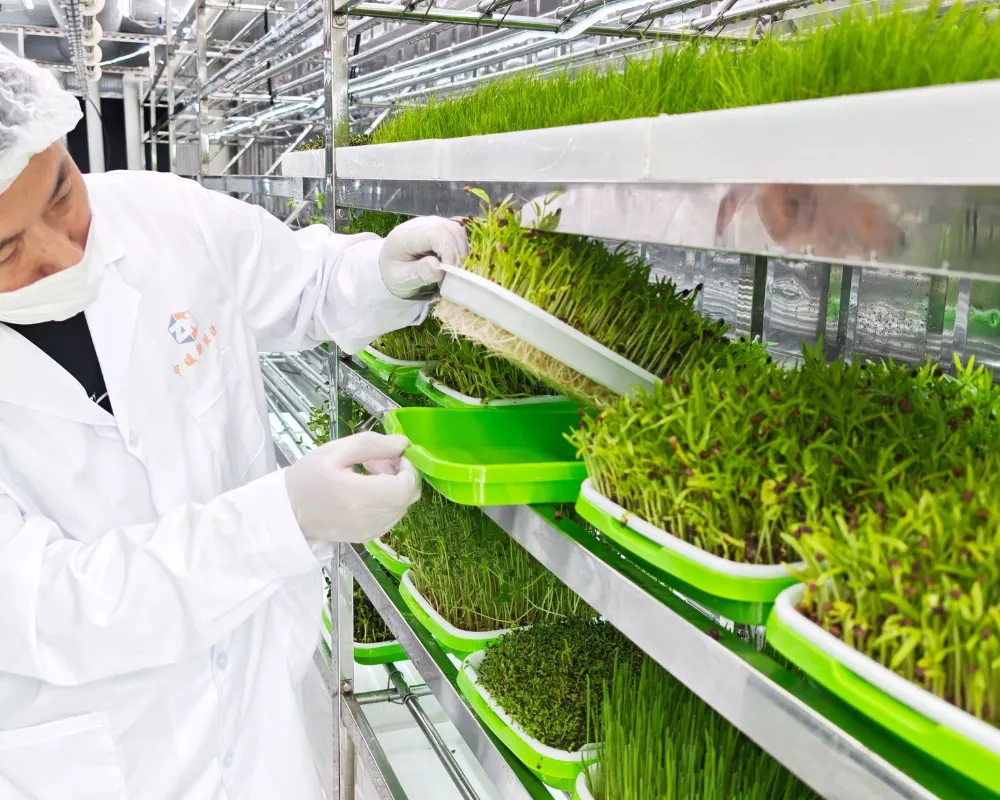
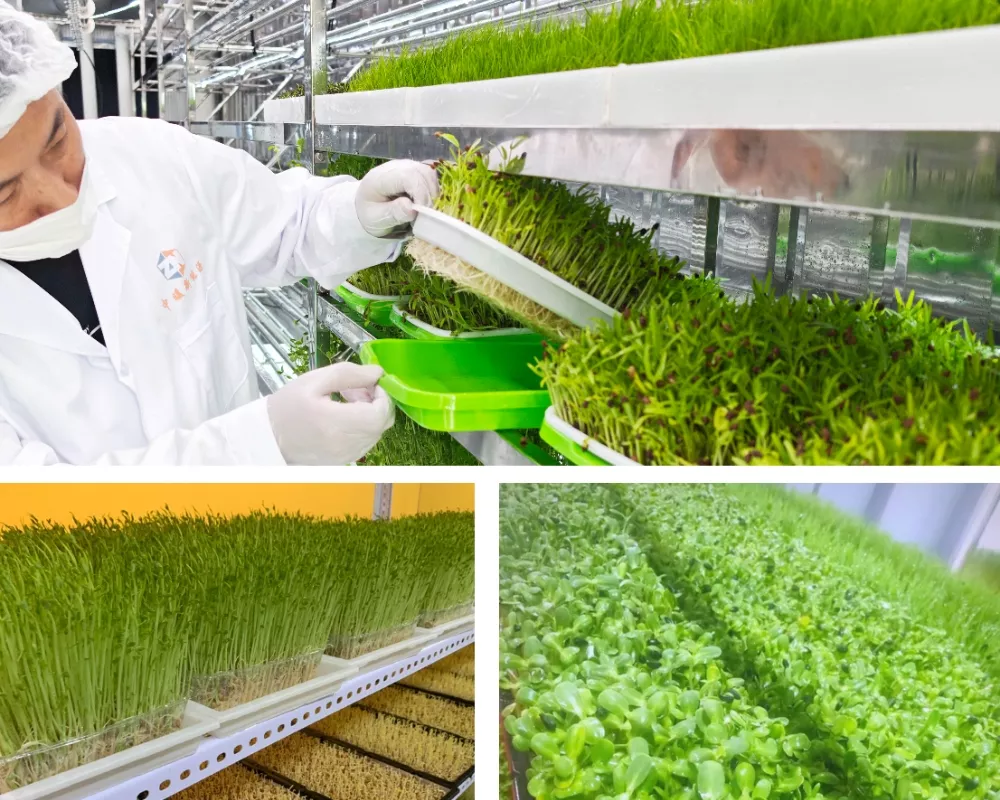
Microgreens

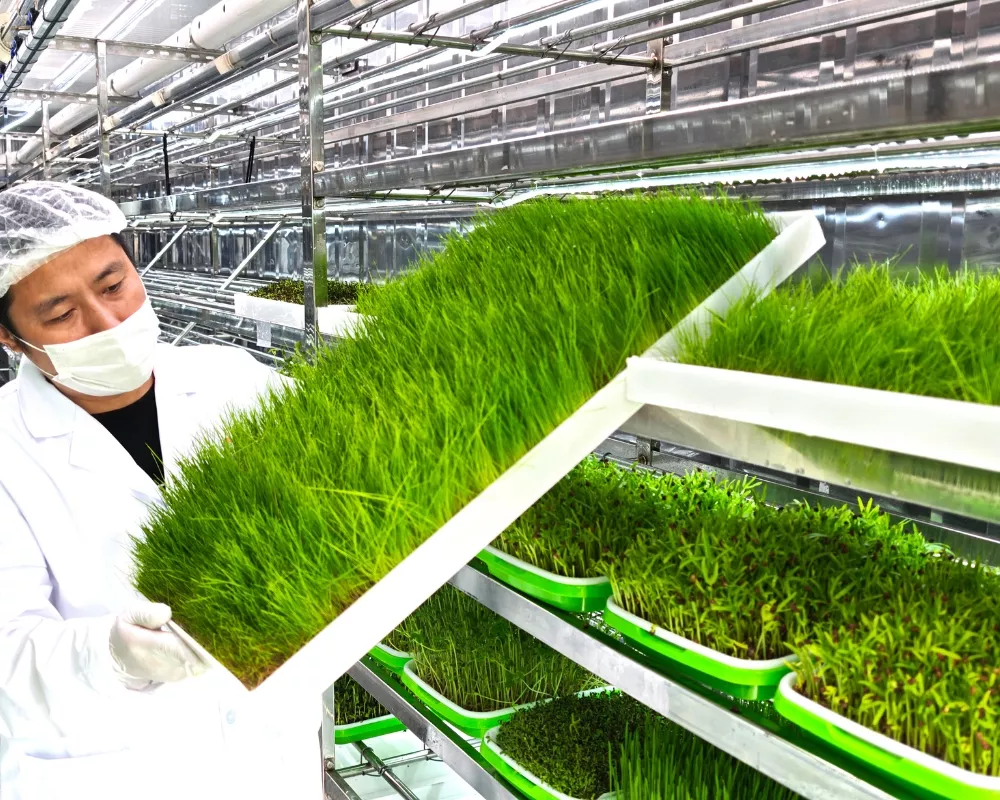
Hydroponic Fodder

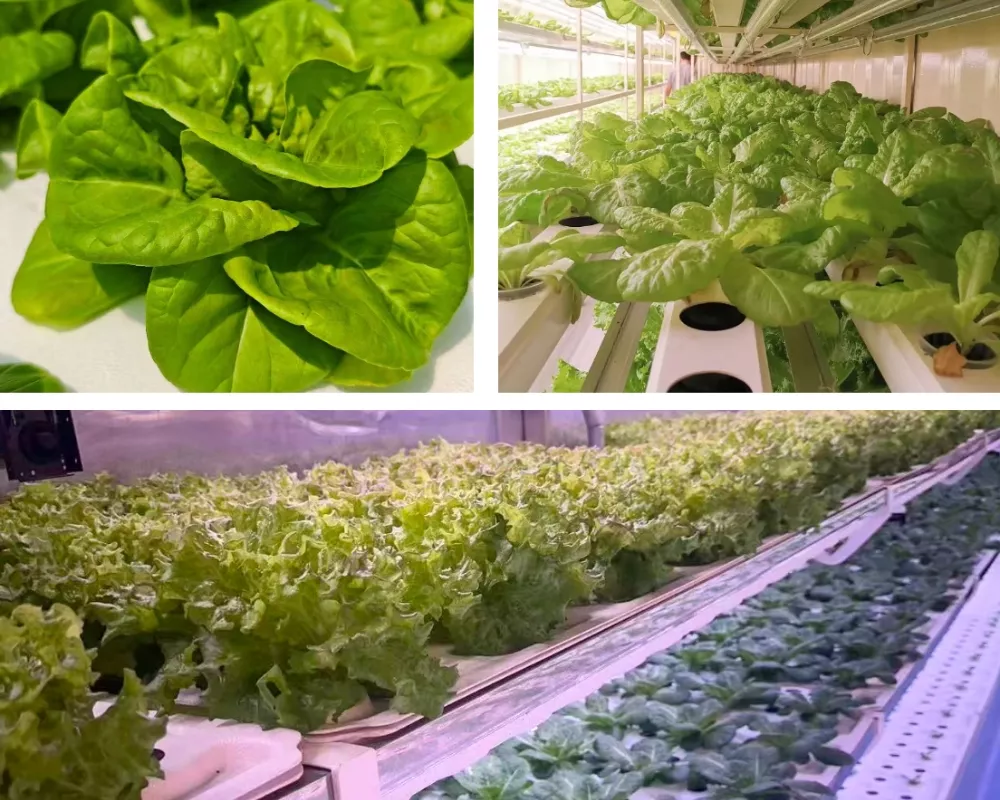
Leaf Greens

Commercial Hydroponic Container Farm Systems

Container Structure

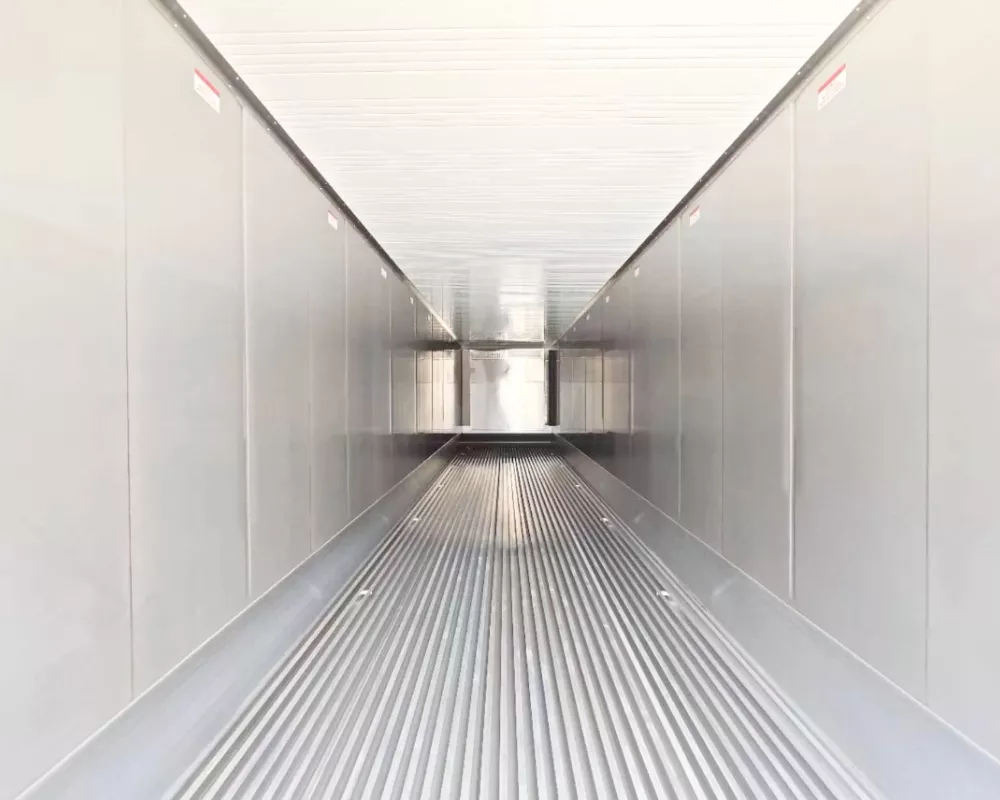
It’s basically a standard 20ft or 40ft shipping container, but with insulation added to the walls. Whether you’re in a hot or cold climate, the inside stays between -30°C and 50°C.

✓ Easy to clean, corrosion-resistant, and durable
✓ Thermal insulation
✓ Weatherproof sealed design
✓ Modular and stackable

Hydroponic System

Closed-loop hydroponic system, no soil needed. Uses about 95% less water than traditional farming.

✓ Uses less than 5 gallons per day
✓ Nutrient mix adjusts automatically depending on the crop
✓ Automated pH and EC monitoring
✓ No wastewater runoff

LED Lighting

Spectrum LEDs designed specifically for plant growth. They run cool and don’t waste energy.

✓ Optimized for plant flavor and density
✓ High-efficiency chips reduce cooling load
✓ Dynamic photoperiods per growth stage
✓ Consistent year-round, high-output growth

Climate Control

Automated heat pump system that manages temperature, humidity, and CO₂ all in one. Gives each crop type the conditions it needs to thrive.

✓ Temperature holds within ±0.1°C
✓ Humidity adjustable between 40% and 80%
✓ CO₂ enrichment available for faster growth
✓ Automated ventilation and air circulation

Scroll to Top